How to Grow and Care for a Coffee Plant Indoors
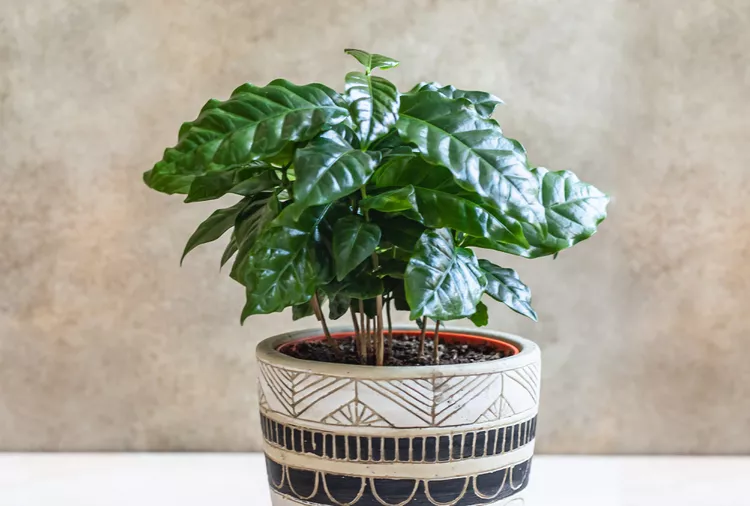
With their glossy green leaves, coffee plants make beautiful houseplants. However, indoor coffee plants (Coffea arabica) aren't likely to grow many beans for you, considering it takes hundreds of beans to produce a pound of coffee. But you can still enjoy them for their white fragrant flowers and tropical-looking leaves that are sure to spark conversation whenever someone visits your home. Here's how to grow coffee plants indoors.
Coffee Plant Overview
| Genus Name | Coffea arabica |
| Common Name | Coffee Plant |
| Plant Type | Houseplant, Perennial |
| Light | Part Sun |
| Height | 1 to 15 feet |
| Width | 2 to 15 feet |
| Flower Color | White |
| Foliage Color | Blue/Green |
| Zones | 10, 11, 9 |
| Propagation | Seed, Stem Cuttings |
Coffee beans are not toxic after they are roasted, but raw berries and plant leaves are toxic to children and pets when ingested, due to the caffeine content.
Growing a Coffee Plant Indoors
Subtropical coffee plants can be grown outdoors in the U.S. only in USDA Zones 9–11, where the plants grow up to 15 feet tall when mature. However, potted indoor coffee plants are much more manageable in size—1 to 4 feet—and can be kept even more compact with frequent pruning. Some coffee cultivars are better suited for growing in pots than others. Indoor growers can find pint-sized plants that max out at around 1 foot in height—the perfect size for a tabletop houseplant.
Indoor Coffee Plant Care Tips
Bloom time and plant height vary between coffee plant types, but the basic care needs are the same regardless of the type of coffee plant you grow.
Light
Coffee is an understory plant that grows best in bright, indirect light. Indoor coffee plants are usually kept in east- or west-facing windows where the light is bright but not intense, while outdoor plants are grown in dappled light. If your home doesn’t receive much sun, you may want to keep your coffee plant under a grow light and leave the light on for eight to 12 hours per day. However, if your home receives intense sun, sheltering your coffee plant with a sheer curtain will keep the plant’s delicate leaves from developing sunburn.
Soil and Water
When potting a coffee plant, choose a rich and well-draining potting mix with a slightly acidic pH between 6.0 and 6.5. Amend the soil with compost or worm castings before planting to give coffee plants a boost.
Water indoor coffee plants regularly so the soil stays moist but not soggy. While watering amounts can vary throughout the year, aim to water about once every week or two when the top half of the soil feels dry. For best results, water coffee plants deeply and allow the excess water to trickle away before placing the plant back on its saucer.
Temperature and Humidity
Warm, humid conditions similar to their native environments encourage coffee plants to flower and fruit. Temperatures between 65°F and 80°F work well for indoor culture, while hotter temperatures cause plants to grow quickly but reduce fruiting. Keep your plants away from AC and heating vents, as well as drafty windows.
Coffee plants grow best when humidity levels are around 50 percent or higher; they can develop crispy, brown leaves in dry indoor air. To keep your coffee plants looking lush, place them near a humidifier or on a pebble tray.
Fertilizer
Mixing compost into the potting mix when planting coffee provides a slow release of nutrients to plants as they grow. However, coffee will still need to be fertilized regularly during the growing season with a liquid, organic fertilizer diluted to half strength. Refer to the fertilizer packaging for specific application instructions, and stop fertilizing during fall and winter when coffee plants aren’t actively growing.
Pruning
Prune indoor coffee plants every spring to keep them looking trim. Use clean, sharp pruners to clip away dead or damaged branches and any shoots sprouting from the plant’s main stem.
Harvesting
Few home growers will harvest enough beans to make coffee. These plants take about three to five years to flower, and coffee berries (known as "cherries") take an additional six or seven months to ripen on the plant and turn red.
Most varieties of coffee plants are self-pollinating, so you don’t need multiple plants to produce beans. However, you should still hand-pollinate flowers with a cotton swab to ensure the best fruiting.
Coffee beans must be removed from the fleshy cherries, fermented, dried, and roasted to create the classic coffee flavor.
Potting and Repotting Coffee Plants
Purchased coffee plants are usually small, and they’re often sold in 2- to 4-inch nursery pots. When you bring the plant home, repot it into a 4- to 6-inch container with plenty of drainage holes in the base.
As coffee plants grow, they can be repotted into larger containers, but only use a pot that’s one size bigger than the plant’s current pot. Repotting into oversized containers increases the chances of overwatering.
The best time to repot coffee is in winter when the plant isn’t actively growing, but any time you see roots poking through the plant’s drainage holes, you know it’s time to repot.
Pests and Problems
Sun damage and overwatering are two of the most common issues that affect indoor coffee plants. They are also susceptible to a few common pests:
- Mealybugs are a type of soft-bodied scale that looks like fluffy bits of cotton on plant leaves and stems. Spot-treating mealybugs with a cotton swab dipped in alcohol is one of the best ways to manage these pests.
- Spider mites are tiny pests that feed on plant sap and create spider-like webbing over affected plant’s leaves. Organic insecticidal soap or neem oil sprays can keep these pests in line.
- Aphids leave a sticky residue on plant leaves as they feed. Fortunately, aphids are easy to wash away with a strong blast of water.
How to Propagate Coffee Plants
The easiest way to grow more coffee plants is by propagating stem cuttings. Plants can also be grown from coffee beans, but you’ll need fresh beans, not the roasted beans you purchase at the grocery store.
To propagate a coffee plant from stem cuttings, take a 6- to 8-inch-long cutting from a healthy plant in late spring to early summer. Dip the cut stem end in water and dab it in rooting hormone before potting it in a container filled with potting mix. Add a plastic bag over the cutting and pot to lock in humidity while the cutting grows roots.
It can take two to three months for coffee plant roots to form. During this time, keep the cuttings in a warm spot that receives bright, indirect light, and water them regularly.
Types of Coffee Plants
Nana
Coffee arabica ‘Nana’ is one of the best choices for growing coffee as a houseplant. This dwarf coffee cultivar grows to only about 1 foot tall. It has dark green leaves and beans that are green at first and turn red over several months. This highly decorative plant bears flowers and berries at the same time.
Charrier
A relatively new discovery, the Charrier coffee plant (Coffea charrieriana) can grow between 3 and 5 feet tall indoors and produces a naturally caffeine-free coffee bean.