Grow the Most Gorgeous Perennials with These 11 Essential Tips
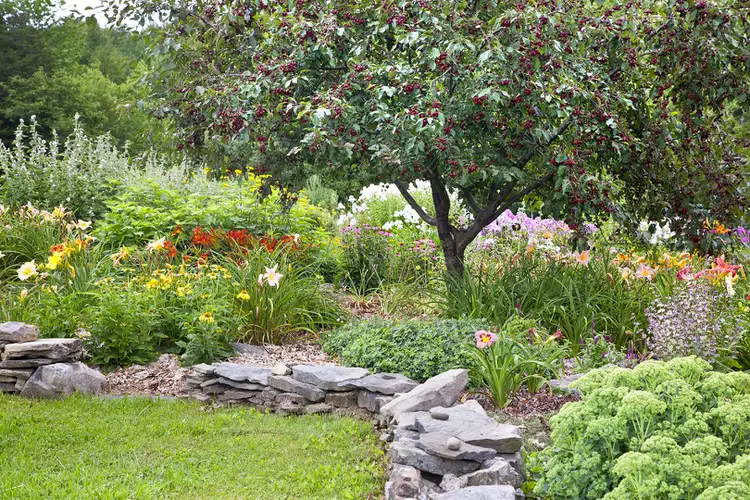
A beautiful, blooming perennial garden can be the showpiece of your landscape and provide pretty cut flowers for bouquets. Unlike annual flowers (which can be blended into your flower garden but need to be planted every year), perennials can be planted just once and enjoyed for many years as they regrow from the same roots in spring. Some perennials grow and bloom well for just a few years, and others may live for decades. Most bloom for a period of just a few weeks over the spring and summer, but a few will bloom twice in a season. Many perennials are easy to care for, but they all require some degree of attention to look their best.
1. Choose the Best Garden Site
Most blooming perennial flowers require full sun. That means 6-8 total hours of direct sun each day of the growing season. Don’t have a spot that gets that much sun? You can still grow a pretty garden, but you’ll have to choose perennial plants that thrive with part shade or shade.
2. Prep the Soil Before Planting
Whether starting perennials from seeds or transplants, the chances of good growth are greatly improved when you make sure the garden soil is nourishing and that it drains well. Don’t skimp on this step; it’s much more difficult to improve soil or drainage after plants are already in the ground than it is to prepare the area properly in the beginning. It’s also at this point you’ll determine what kind of soil you have (clay, sand, or loam) and how well it drains (soggy, compacted, or droughty). You may find that your ability to amend the soil or change the drainage influences your choice of plants. A soil test and some experienced advice can be a good first step for any gardener.
3. Choose Plants for Your Zone
Though it doesn't quite cover all the fine details of gardening (including sun and soil needs), choosing perennials based on your USDA hardiness zone will help guarantee that they come back each year. The zones are based on average low temperatures in all regions of the country. Perennials will usually have a range of zones (from 1 to 13) where they'll survive winter temperatures. So if you're in Zone 5, a plant with a range of 3-7 should be hardy in your region.
4. Plant Potted and Bare-Root Perennials Right Away
Don’t hold onto that pot of coneflowers or those daylily roots for too long. If the soil isn’t frozen or muddy, get new plants into the garden as soon as you can. Plant potted plants at the same depth as they were in their pots. For bare-root plants, check with the seller or a reliable reference book on the proper way to plant the roots. Some plants, such as bearded iris rhizomes, should be planted horizontally and barely covered with soil, while others like lilies are planted 6-8 inches deep. Planting too deeply can keep some flowers from blooming; others planted too shallowly can die of thirst before they become established.
5. Fertilize Plants Sparingly
A few perennials are "heavy feeders" and they require more nutrients than other perennial plants in order to bloom and grow well. Lilies, tall phlox, and delphiniums are examples of perennial plants that need a little more fertilizer than most.
However, most perennials don't need much fertilizer and can actually perform poorly if overfertilized. In general, a single spring application of a balanced fertilizer (5-5-5 or 10-10-10) works for the heavy feeders; just scratch a handful into the soil around the base of the plant. An inch or two of aged manure or finished compost applied in fall or spring before mulch is replaced will keep other plants happy and will continue to improve the soil.
6. Prevent Weeds and Keep Up with Maintenance
There is no such thing as a no-maintenance garden. Every garden will have weeds, and they'll appear every year. If you let weeds get ahead of you, they can take over the garden to the point that correcting the situation can feel overwhelming. There is no permanent solution to weed prevention, not even so-called weed barrier fabric. The best methods are to use a thick layer of organic mulch (as in wood chips or pine needles, not rock) and replace it every year or every other year, and to remove weeds as soon as they appear, never allowing them bloom and go to seed. In some areas of the country and with some plants, perennial gardens can be grown in a deep layer of fine gravel rather than organic mulch.
7. Be Patient with Your Plants
Whether you grow perennials from seeds or transplants, you probably won't see them grow or bloom much until the second or third year. During the first year or two, most perennial plants work on developing a good root system; when that’s accomplished they turn their energies toward blooming. In their first year, keep new perennial plants watered regularly in the absence of rain, but don’t drown them.
8. Deadhead Spent Blooms
First, snipping off faded flowers helps keep your garden looking its best. Second, any plants that produce seeds will eventually fill your garden with unwanted plants (aka weeds.) Regular deadheading is another way to enjoy your garden up close and helps you keep an eye out for potential problems.
9. Divide Perennials Every Few Years
Over time, perennial plants usually spread by sending out new roots or shoots, and in a few years you may end up with a donut-shape clump that is dead in the middle. Plan to eventually divide and replant (or share) established plants every 3 to 6 years. Most perennial plants are best divided and replanted in early fall or in spring after new growth appears. Check a reliable reference if in doubt about the best time for dividing.
10. Keep Aggressive Plants Under Control
Some of the prettiest plants can be a little too successful in the right conditions. Some examples are gooseneck loosestrife, spiderwort, or bee balm. Spreading by roots, seeds, or both, these plants may force you to make a decision between eliminating them permanently or resigning yourself to annual thinning and weeding. However, when you plant your garden, beware of plants that are known to be invasive in your region; there are plants that are illegal to sell in some areas because they escape into wild areas and become a widespread nuisance.
11. Don't Worry When Plants Die
No perennial plants live forever, and sometimes they just don’t thrive. If a new plant doesn’t really grow well or bloom after 2 or 3 years, consider digging it up and moving it to a sunnier (or shadier) or moister (or dryer) spot. If it dies, it may be due to nothing that you could have controlled. Try planting a different species in that spot or divide and replant something that is doing well. In any case, a plant that doesn’t survive doesn’t mean that you failed; pay attention to your successes and go on from there.
It’s also helpful to talk to experienced gardeners in your area about which plants perform well and which ones to avoid; you may even be offered a few free plants along with some relevant advice. For beginners, planting a new perennial flower garden or caring for an already existing one can seem daunting, but the basics of growing flowers are easy to learn. By growing perennial plants, you’ll have a chance to improve your garden skills a little more each year.