8 Simple Tips for Harvesting Rhubarb at Its Peak

29.7K
594
285
2025-11-04
8 Simple Tips for Harvesting Rhubarb at Its Peak

Fresh rhubarb is a springtime treat that’s delicious in jams, jellies, and strawberry rhubarb pie. You can absolutely grow this vegetable yourself, but if you want to get the biggest and tastiest rhubarb stalks, you need to master the art of harvesting rhubarb. From timing your harvest to preserving freshly picked rhubarb, these tips will help you harvest a large crop of stalks without compromising the health of your plants.

The stalks of rhubarb are safe to eat, even raw, but the leaves are toxic to humans and animals.

1. Be Patient

Rhubarb plants are perennials that grow relatively slowly, and harvesting them before they’re fully mature can weaken the plants and cause stunted growth. Rhubarb grown from nursery starts can be harvested in its second year, one year after you plant it in your garden. However, if you’re growing rhubarb from seed, wait until plants are at least three years old to start harvesting.

2. Know When to Harvest

One of the great things about rhubarb is that the stalks can be picked in spring—long before most other garden vegetables start producing. In the northern hemisphere, rhubarb season usually begins in April or May and stretches through the end of June. Rhubarb continues to grow through summer and into fall, but it’s best to stop harvesting plants by early July as the stalks can get woody in summer, and the plants require time to recover before winter hits.

3. Don’t Worry About Stalk Color

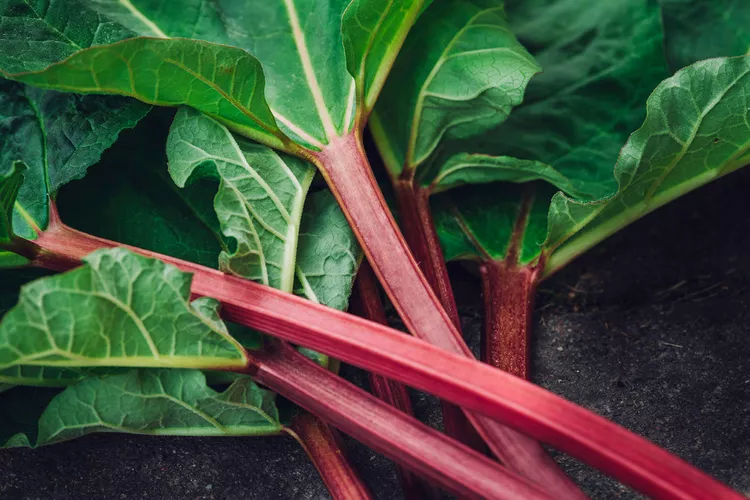
When most people think about edible rhubarb, they think about long, crisp rhubarb stalks that are bright red or pink. However, the stalk color doesn’t indicate whether rhubarb is ripe. Different varieties of rhubarb have different colored stalks, and it’s fine to harvest rhubarb with pale stems.

4. Look for These Signs of Ripeness

The best way to tell if rhubarb is ripe is to measure the rhubarb stalks. Ripe rhubarb stalks should be at least 10 inches long (not including the leaves), but it’s OK to harvest stalks that are longer. Rhubarb develops flavor as it grows, and longer stalks often have the best taste.

Healthy rhubarb stems should also be crisp, firm, and plump. Mushy or damaged stems can be clipped away and composted, but spindly or thin stems should be left on the plant. Undersized stems usually need more time to grow, but they can also indicate that the plant is weak and needs some time to recover before further harvesting.

5. Use the ‘Twist and Pull’ Method

One of the most common mistakes growers make when harvesting rhubarb is using a knife on the stalks. Cutting rhubarb stalks can make plants more vulnerable to pests and diseases like crown rot. Also, cut stalks don’t regrow, and they can redirect the plant’s energy away from producing new stems.

Instead of cutting the stalks, harvest your rhubarb by grasping a stem near the soil line and twisting it free with a gentle, pulling motion. The stem should come away easily from the plant at the root line with a quiet pop. If the stalk is difficult to remove, move your hand closer to the soil line and pull again. Using this “twist and pull” method is healthier for rhubarb plants and encourages them to produce more stems for future harvests.

6. Limit Your Harvest

Like most vegetables and herbs, rhubarb plants can become weak and stop growing if they’re over-harvested. To avoid this problem, always leave at least one-third to half of the plant’s stems intact and wait for the plant to produce more stalks before harvesting again. Also, remember that young plants should not be harvested as aggressively as older, established rhubarb plants.

7. Remove the Leaves

Immediately after harvesting, use a sharp knife to cut the rhubarb leaves off the stalks. Rhubarb leaves are toxic, and they can cause harvested rhubarb stalks to wither prematurely. While those rhubarb leaves should never be eaten, it’s safe to compost them.

8. Store Your Harvest the Right Way

Fresh rhubarb stalks can be stored in a perforated bag in the crisper drawer of your fridge for three to four weeks, but don't wash them until right before you use them. For longer-term storage, rhubarb can be frozen or canned and stored in the pantry. If you plan on using rhubarb to make strawberry rhubarb pie, freezing the rhubarb stalks will ensure you have plenty of rhubarb on hand when strawberry season begins in June.
Frequently Asked Questions

  • Why are my rhubarb stalks so thin?

    Undersized stalks may mean that your rhubarb plant is too young to harvest or that the stalks need more time to grow. However, thin stems may also indicate that the rhubarb plants need fertilizer or are growing too close to other plants.

  • When should you not pick rhubarb?

    Rhubarb should not be picked after early July because the plants need time to recover and store energy before winter. Also, the stalks can become woody and unpleasant to eat as the season progresses.

  • What time of day do you pick rhubarb?

    Some growers prefer to harvest rhubarb in the morning or evening, but rhubarb can be harvested at any time of the day. Just be sure to bring the stalks indoors soon after harvesting so they don’t start to wilt.

Sources
Better Homes & Gardens is committed to using high-quality, reputable sources—including peer-reviewed studies—to support the facts in our articles. Read about our editorial policies and standards to learn more about how we fact check our content for accuracy.
  1. Rhubarb. National Capital Poison Center

  2. Rhubarb. ASPCA

Related Article

The 12 Best Terrarium Plants to Grow in Your Miniature Garden
13.2K
794
349

The 12 Best Terrarium Plants to Grow in Your Miniature Garden

These small, humidity-loving terrarium plants are perfect for growing in mini indoor gardens.
How to Grow and Care for Living Stones
19.4K
1.9K
388

How to Grow and Care for Living Stones

Find out how to grow living stones, unique miniature succulents that look like pebbles. This guide covers how to care for living stone plants, including watering them just right to keep them thriving.
How to Grow and Care for a Coffee Plant Indoors
16.7K
832
282

How to Grow and Care for a Coffee Plant Indoors

Learn how to grow a coffee plant indoors, including tips on light, humidity, watering, and pot size. This houseplant will add a tropical touch to your home with its glossy green leaves.
How to Grow Air Plants That Don’t Need Soil to Survive
44.8K
2.2K
425

How to Grow Air Plants That Don’t Need Soil to Survive

Learn how to grow air plants and how to care for them with the right amount of sunlight and water.
Is Misting Your Plants as Good as Watering Them?
38.3K
2.7K
1.1K

Is Misting Your Plants as Good as Watering Them?

Misting plants is all over social media, thanks to the popularity of pretty plant misting bottles. But does misting or spritzing give your plants enough water? We talked to experts about whether misting houseplants gives them the care they need.
How to Grow and Care for a Money Tree Indoors
2.7K
134
48

How to Grow and Care for a Money Tree Indoors

Money trees make beautiful, easy-care houseplants. Use this guide to grow a money tree indoors.
After No Mow May, Should You Do a Slow Mow Summer?
23.7K
1.7K
564

After No Mow May, Should You Do a Slow Mow Summer?

Here's why you may want to practice a Slow Mow Summer, which focuses on mowing less area less often to help pollinators and the environment.
How to Landscape Front Yards and Entryways to Maximize Curb Appeal
18K
179
42

How to Landscape Front Yards and Entryways to Maximize Curb Appeal

Try our simple tips for how to landscape front yards to boost the visual appeal of the most visible part of your garden and home.
How to Plant and Grow Saffron
12.9K
516
170

How to Plant and Grow Saffron

Saffron is an expensive spice harvested from an easy-to-grow type of crocus bulb. Here's what you need to know about growing saffron.
Our Best Tips for Creating Beautiful Fall Window Boxes
24.2K
2.4K
435

Our Best Tips for Creating Beautiful Fall Window Boxes

When autumn is in the air, it's time to transition from summer to fall window boxes. Take a hint from mother nature with these perfect color combos.
6 Must-Know Tips on Mandevilla Care in Pots to Keep the Flowers Coming All Summer
38.1K
3.1K
701

6 Must-Know Tips on Mandevilla Care in Pots to Keep the Flowers Coming All Summer

Mandevilla care in pots is a little different than growing these gorgeous summer-blooming plants in the ground. Use these tips to keep your potted mandevilla plant thriving and flowering all season.
19 Colorful Window Box Ideas to Brighten Up Your Exterior
9K
897
197

19 Colorful Window Box Ideas to Brighten Up Your Exterior

Use these window box ideas for a no-fail way to dress up your home. We share the right plant combinations to create maximum curb appeal.
How to Make a Hanging Basket for Your Front Porch or Patio
7.6K
302
48

How to Make a Hanging Basket for Your Front Porch or Patio

Learn how to make a hanging basket that will grow and add color and life to your front porch. Hanging baskets are a lovely way to welcome guests.
How to Plant and Grow a Tree Tomato (Tamarillo)
12.4K
745
283

How to Plant and Grow a Tree Tomato (Tamarillo)

Find essential tips for growing the tree tomato, or tamarillo, an unusual plant grown for its egg-shaped, flavorful fruit.
How to Fill a Raised Garden Bed: 3 Affordable Methods
11.8K
940
310

How to Fill a Raised Garden Bed: 3 Affordable Methods

Discover how to fill a raised garden bed using 3 simple options that can help you save money on soil.
8 Steps to Fix a Lawn That’s All Weeds and Bare Patches
36.7K
733
351

8 Steps to Fix a Lawn That’s All Weeds and Bare Patches

Give your lawn the TLC it needs to grow lush, green grass. If it’s time for grass replacement, we’ve got you covered. Use our step-by-step guide, from figuring out the problem to proper care for your new lawn.
How Often Should You Mow Your Lawn? 8 Tips to Time It Right
44.3K
3.5K
956

How Often Should You Mow Your Lawn? 8 Tips to Time It Right

How often you should mow your lawn depends on factors such as type of grass and weather. These tips will help you figure out how frequently to mow for a lush, healthy lawn.
How to Use Compost: 9 Ways to Give Your Plants a Boost
27.1K
811
202

How to Use Compost: 9 Ways to Give Your Plants a Boost

Control weeds, grow healthier plants, and feed your lawn with nutrient-rich compost. From houseplants to vegetable gardens, here are 9 top ways to use compost on all your plants.
How to Choose the Best Type of Grass for Your Lawn
47.1K
470
89

How to Choose the Best Type of Grass for Your Lawn

The correct type of grass can mean the difference between a constant struggle to keep your grass green and season-long beauty and enjoyment.
How to Build a Raised Garden Bed for Easier Veggie or Flower Planting
15K
300
36

How to Build a Raised Garden Bed for Easier Veggie or Flower Planting

Learn how to build a raised garden bed with our step-by-step guide, including all the supplies you'll need. This DIY project is easy to do.