Pros and Cons of Mulching vs. Bagging Grass When You Mow

45.8K
3.7K
951
2025-10-31
Pros and Cons of Mulching vs. Bagging Grass When You Mow

Lawn aficionados—those who love to mow—tend to have strong opinions on whether it is best to mulch lawn clippings or bag them. While the mulching vs. bagging debate is dependent on several factors, there is one firm conclusion about lawn clippings that all turf scientists agree on: Clippings are rich in nutrients and should be recycled back into the landscape.

The science-based pros and cons presented here can help you decide whether to recycle clippings with a mulching mower or a bagging attachment. Use these pros and cons to choose the best tactic for your patch of grass.

Pros of Mulching Lawn Clippings

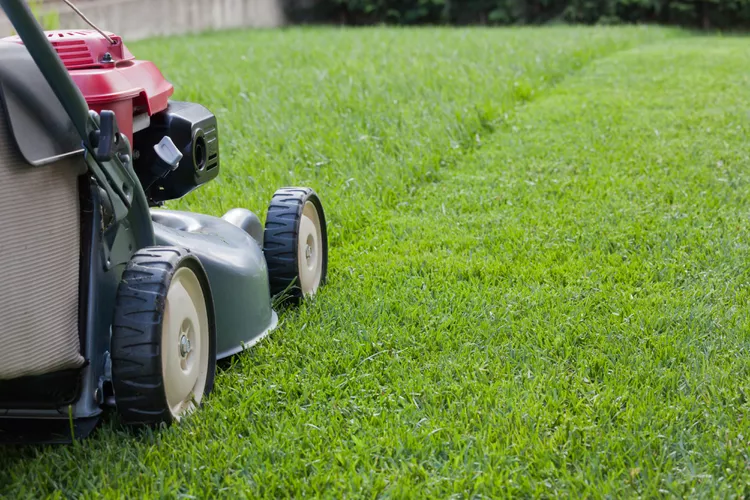
Mulching—when we’re talking about mowing—refers to returning lawn clippings to the turf. All lawnmowers can mulch clippings. Some mowers are designed to finely chop the clippings. These mowers are usually sold as mulching mowers, and they have an advantage over standard rotary mowers thanks to the ease of distributing the finely chopped clippings. The advantage is slight; in typical mowing conditions, a rotary mower and a mulching mower perform equally well.

Homeowners who mulch their lawn clippings benefit their grass in several ways.

Return Nutrients to the Turf

Clippings are rich in nitrogen and other valuable nutrients. As the clippings break down, the nutrients are released into the soil, where they are captured by plant roots. Returning clippings to the turf over a single season provides about 25 percent of the nitrogen a grass plant needs to grow well. This is equivalent to at least one fertilizer application per year.

Improve Soil Texture

As grass clippings decompose into the lawn, microbial activity improves the soil texture. New water and nutrient channels form, improving clay and sandy soils with the addition of organic matter. Over time, the soil improved by decomposing lawn clippings is more absorbent and well-drained.

Increase Carbon Sequestration

Lawns capture carbon. By returning carbon-laden clippings to the turf, the carbon is quickly reabsorbed and sequestered, reducing the amount of carbon dioxide in the atmosphere. Turf scientists have found that recycling clippings into the lawn increased the net carbon sequestration of a lawn by 11 to 59 percent over removing clippings.

Save Time and Labor

Mulching clippings is easy! The lawn mower does all the work. There is no need to heave bagged clippings into a compost bin or scatter them over open soil. Mulching clippings eliminates the need to find a municipal disposal method if composting isn’t an option.

Cons of Mulching Lawn Clippings

Excessively long clippings can pile up on the lawn, shading the grass that is trying to grow beneath. In extreme cases, the piles of clippings can smother turf. A rule of thumb is that clippings 1 inch in length can be safely returned to the lawn. Clippings longer than an inch should be collected and added to the compost pile or used as mulch in the landscape.

Myth: Clippings Cause Thatch

Clippings have a bad reputation for piling up between the soil surface and the actively growing grass plants to create a layer of thatch. Turf scientists have found that clippings decompose so quickly they don’t have a chance to accumulate. Clippings break down rapidly, sending the valuable nutrients they contain into the soil.

Many homeowners have heard that mulching clippings contributes to thatch buildup in a lawn, but that concern is overstated. Thatch can be caused by too much nitrogen fertilizer and infrequent mowing. It is also more common on compacted soils and with some grass varieties.

Bottom line: Clippings don’t cause thatch.

Pros of Bagging Clippings

There are real benefits to bagging clippings. When cutting long grass, bagging clippings prevents them from smothering the turf. Bagged grass clippings are useful as mulch in the landscape; spread a 2-inch-thick layer of clippings over soil to prevent weeds. Bagged clippings are also useful in a compost pile where they decompose along with brown matter, such as dried leaves, to make humus that will enrich the soil. Bagging clippings prevents them from littering walkways and clogging drains. Smart mowing tactics can eliminate clipping litter, too.

Cons of Bagging Clippings

Bagging clippings removes a valuable source of nitrogen from the lawn. Twenty-five percent of turf’s nitrogen needs can be met through mulching clippings back into the lawn. Bagging clippings becomes costly when you factor in the fertilizer needed to offset the lost nitrogen.

Bagging clippings is more time-consuming and labor-intensive than mulching. A full bag of clippings, especially wet clippings, is heavy; disposing of clippings in a compost pile requires strength. If you don’t have a compost area or use for the clippings in the landscape, you’re faced with the challenge of finding a way to dispose of them. Some municipalities accept yard waste; others do not.  

Final Word: Mulching vs. Bagging

When possible, mulch clippings back into the lawn. The soil benefits of mulching and the nutrient boost provided by the clippings make this option the winner in almost all circumstances. From a practical time and labor standpoint, mulching clippings is easier and faster. The mower does the work, and your lawn reaps the benefits.
Related Article

The 12 Best Terrarium Plants to Grow in Your Miniature Garden
13.2K
794
349

The 12 Best Terrarium Plants to Grow in Your Miniature Garden

These small, humidity-loving terrarium plants are perfect for growing in mini indoor gardens.
How to Grow and Care for Living Stones
19.4K
1.9K
388

How to Grow and Care for Living Stones

Find out how to grow living stones, unique miniature succulents that look like pebbles. This guide covers how to care for living stone plants, including watering them just right to keep them thriving.
How to Grow and Care for a Coffee Plant Indoors
16.7K
832
282

How to Grow and Care for a Coffee Plant Indoors

Learn how to grow a coffee plant indoors, including tips on light, humidity, watering, and pot size. This houseplant will add a tropical touch to your home with its glossy green leaves.
How to Grow Air Plants That Don’t Need Soil to Survive
44.8K
2.2K
425

How to Grow Air Plants That Don’t Need Soil to Survive

Learn how to grow air plants and how to care for them with the right amount of sunlight and water.
Is Misting Your Plants as Good as Watering Them?
38.3K
2.7K
1.1K

Is Misting Your Plants as Good as Watering Them?

Misting plants is all over social media, thanks to the popularity of pretty plant misting bottles. But does misting or spritzing give your plants enough water? We talked to experts about whether misting houseplants gives them the care they need.
How to Grow and Care for a Money Tree Indoors
2.7K
134
48

How to Grow and Care for a Money Tree Indoors

Money trees make beautiful, easy-care houseplants. Use this guide to grow a money tree indoors.
After No Mow May, Should You Do a Slow Mow Summer?
23.7K
1.7K
564

After No Mow May, Should You Do a Slow Mow Summer?

Here's why you may want to practice a Slow Mow Summer, which focuses on mowing less area less often to help pollinators and the environment.
How to Landscape Front Yards and Entryways to Maximize Curb Appeal
18K
179
42

How to Landscape Front Yards and Entryways to Maximize Curb Appeal

Try our simple tips for how to landscape front yards to boost the visual appeal of the most visible part of your garden and home.
How to Plant and Grow Saffron
12.9K
516
170

How to Plant and Grow Saffron

Saffron is an expensive spice harvested from an easy-to-grow type of crocus bulb. Here's what you need to know about growing saffron.
Our Best Tips for Creating Beautiful Fall Window Boxes
24.2K
2.4K
435

Our Best Tips for Creating Beautiful Fall Window Boxes

When autumn is in the air, it's time to transition from summer to fall window boxes. Take a hint from mother nature with these perfect color combos.
6 Must-Know Tips on Mandevilla Care in Pots to Keep the Flowers Coming All Summer
38.1K
3.1K
701

6 Must-Know Tips on Mandevilla Care in Pots to Keep the Flowers Coming All Summer

Mandevilla care in pots is a little different than growing these gorgeous summer-blooming plants in the ground. Use these tips to keep your potted mandevilla plant thriving and flowering all season.
19 Colorful Window Box Ideas to Brighten Up Your Exterior
9K
897
197

19 Colorful Window Box Ideas to Brighten Up Your Exterior

Use these window box ideas for a no-fail way to dress up your home. We share the right plant combinations to create maximum curb appeal.
How to Make a Hanging Basket for Your Front Porch or Patio
7.6K
302
48

How to Make a Hanging Basket for Your Front Porch or Patio

Learn how to make a hanging basket that will grow and add color and life to your front porch. Hanging baskets are a lovely way to welcome guests.
How to Plant and Grow a Tree Tomato (Tamarillo)
12.4K
745
283

How to Plant and Grow a Tree Tomato (Tamarillo)

Find essential tips for growing the tree tomato, or tamarillo, an unusual plant grown for its egg-shaped, flavorful fruit.
How to Fill a Raised Garden Bed: 3 Affordable Methods
11.8K
940
310

How to Fill a Raised Garden Bed: 3 Affordable Methods

Discover how to fill a raised garden bed using 3 simple options that can help you save money on soil.
8 Steps to Fix a Lawn That’s All Weeds and Bare Patches
36.7K
733
351

8 Steps to Fix a Lawn That’s All Weeds and Bare Patches

Give your lawn the TLC it needs to grow lush, green grass. If it’s time for grass replacement, we’ve got you covered. Use our step-by-step guide, from figuring out the problem to proper care for your new lawn.
How Often Should You Mow Your Lawn? 8 Tips to Time It Right
44.3K
3.5K
956

How Often Should You Mow Your Lawn? 8 Tips to Time It Right

How often you should mow your lawn depends on factors such as type of grass and weather. These tips will help you figure out how frequently to mow for a lush, healthy lawn.
How to Use Compost: 9 Ways to Give Your Plants a Boost
27.1K
811
202

How to Use Compost: 9 Ways to Give Your Plants a Boost

Control weeds, grow healthier plants, and feed your lawn with nutrient-rich compost. From houseplants to vegetable gardens, here are 9 top ways to use compost on all your plants.
How to Choose the Best Type of Grass for Your Lawn
47.1K
470
89

How to Choose the Best Type of Grass for Your Lawn

The correct type of grass can mean the difference between a constant struggle to keep your grass green and season-long beauty and enjoyment.
How to Build a Raised Garden Bed for Easier Veggie or Flower Planting
15K
300
36

How to Build a Raised Garden Bed for Easier Veggie or Flower Planting

Learn how to build a raised garden bed with our step-by-step guide, including all the supplies you'll need. This DIY project is easy to do.